

Home improvement is a deeply personal endeavor. When you decide to remodel your home, it is incredibly easy to get swept up in the aesthetic romance of luxury design magazines and late-night scrolling sessions on social media. We envision the perfect setting for future holiday dinners or quiet morning coffees. However, a stark dividing line exists between renovating for personal joy and renovating for a return on investment. If you plan to live in your home for the next twenty years, by all means, customize every square inch to your exact tastes. But if there is even a slight chance you will place your property on the market within the next three to seven years, every decision you make must be viewed through the clinical eyes of a future buyer and a real estate appraiser.
The good news is that you do not have to guess where to spend your energy. Decades of real estate data consistently point to two spaces that hold the absolute highest sway over a home’s market value: the kitchen and the primary bathroom. These are the functional hubs of daily life. Buyers will tolerate a bedroom with an uninspiring paint color or an outdated light fixture because fixing it requires a simple weekend project. What they will not tolerate—or what they will deeply discount their offers for—is a kitchen that feels cramped and dark, or a bathroom that looks worn down.
Prioritize Facelifts Over Full Demolitions
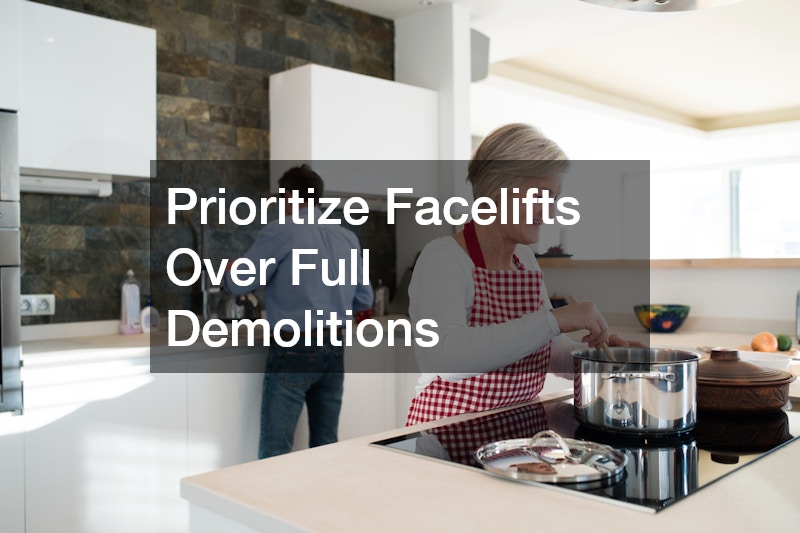
The most common mistake homeowners make when attempting to increase their home’s value is assuming that a renovation must always begin with a sledgehammer. A complete, down-to-the-studs demolition is incredibly expensive, primarily because it frequently uncovers hidden issues and tempts you to alter the foundational layout of the room. In the world of real estate, changing the “Golden Triangle”—the traditional layout path between your refrigerator, stove, and sink—is a massive budget killer. The moment you decide to move a sink to a different wall, you are paying for structural changes, floor excavation, and extensive rerouting.
Instead, look at the bones of your space. If your layout is already functional, focus your financial energy on cosmetic and surface-level transformations. Consider the following high-impact strategies:
- Assess the structural integrity of your storage: Walk through the kitchen and inspect the boxes of your cabinetry. If the frames are constructed from solid plywood or sturdy hardwood and are still square and level, there is absolutely no functional reason to tear them out.
- Opt for a cosmetic transformation: Refreshing your kitchen cabinets through professional painting, refacing, or simply swapping out dated, tarnished hardware for modern brushed brass or matte black pulls can make the entire room look brand new at a fraction of the cost.
- Focus on functional storage additions: Rather than replacing units, install aftermarket pull-out trash cans, blind-corner organizers, or deep pot drawers into existing layouts to boost functional appeal.
Choose Timeless, Durable Surfaces
When potential buyers walk into a kitchen, their eyes gravitate instantly to the horizontal surfaces. The countertops anchor the room’s visual identity and take the brunt of daily wear and tear. Cheap laminate or badly stained tile grout lines can instantly alienate a buyer. To secure a high return on investment, you want to invest in materials that communicate luxury while offering bulletproof durability, such as quartz or high-grade granite.
To get the most out of this investment, you need to be smart about your sourcing. Working directly with a dedicated, local countertop company rather than a generic big-box retailer can save you thousands of dollars. Local fabricators often have access to a wide inventory of stone slabs and can offer invaluable advice on how to cut the material to minimize seams. Furthermore, if you have a smaller kitchen or are looking to just update a central island, ask to browse their “remnant yard.” These are smaller, leftover pieces from larger commercial or residential projects that are sold at a massive discount, allowing you to get a premium stone surface for a bargain price.
Elevate the Shower Experience

The modern real estate market has seen a massive shift in what buyers prioritize in a primary bathroom. The era of the giant, dust-collecting jetted soaking tub is officially over. Today’s buyers view those massive tubs as a waste of square footage and a drain on their hot water heaters. Instead, they want a spa-like, luxurious walk-in shower experience. If you are dealing with a tight floor plan, sacrificing an underutilized tub to create an expansive, beautifully tiled shower enclosure is one of the smartest design moves you can make.
- Impact of old tub layouts: Standard configurations often consume valuable square footage and require high water usage, driving down modern buyer appeal.
- Benefits of modern walk-in designs: Replacing the tub adds massive visual depth, creates a premium aesthetic, and aligns with current market demands.
To make this new feature truly stand out, you must pay attention to the enclosure and the surrounding materials. A heavy, framed sliding door with textured glass can make a bathroom feel dated and claustrophobic. Installing a frameless glass shower door completely opens up the visual sightlines of the room, reflecting light and making a modest bathroom feel twice as large.
To complement this open feel, spend time researching your wall and floor finishes. It is wise to visit specialized tile shops rather than relying on standard hardware store stock. The staff at these dedicated boutiques can guide you toward materials with the correct Coefficient of Friction (COF) rating to ensure your beautiful new floors are slip-resistant when wet. They can also help you find large-format tiles, which reduce the number of grout lines you have to clean, a major selling point for busy homebuyers. Ultimately, a targeted bathroom renovation that focuses on clean lines and low-maintenance luxury will always yield a superior return.
Lighting and Vanity Quick-Wins
Aside from the shower, the vanity area is the main focal point of a bathroom. You do not necessarily need to rip out plumbing to make this area shine.
- Upgrade to a floating vanity: If you are dealing with a small powder room or a tight guest bath, a wall-mounted floating vanity creates the illusion of more floor space, instantly modernizing the room.
- Incorporate smart lighting: Replace outdated, theatrical-style strip lighting with sleek LED-backlit mirrors or flanking wall sconces. Side-lighting is far more flattering for grooming than harsh overhead shadows.
- Coordinate your finishes: Ensure your faucet, drawer pulls, towel bars, and shower trim all share a cohesive finish. Mixing chrome, brass, and nickel haphazardly creates a chaotic visual environment that screams uncoordinated DIY.
Secure Flawless Fit and Finish
There is a dangerous misconception that saving money on labor is the ultimate way to boost your return on investment. While painting a wall or installing a simple tile backsplash are excellent tasks for a handy homeowner, there are certain elements of a kitchen and bathroom remodel where amateur labor will completely destroy the value of premium materials. This is particularly true when dealing with heavy, unforgiving stone slabs.
- DIY Friendly Tasks: Projects like interior painting, cabinet hardware installation, and simple kitchen backsplash tiling offer solid savings with minimal financial risk.
- Professional Mandatory Tasks: Structural plumbing, electrical rough-ins, countertop fabrication, and advanced structural modifications require certified experts to protect your investment.
When you purchase a beautiful piece of quartz, marble, or quartzite, the material itself represents only half of the equation. The real magic happens during the fabrication and leveling processes. Attempting to cut or place these materials yourself without specialized bridge saws and vacuum suction lifting equipment is a recipe for disaster. Hiring a certified countertop installation service ensures that your templates are digitally accurate, your seams are color-matched with structural epoxy, and the stone is perfectly leveled so it doesn’t crack under its own weight over time. Buyers can spot uneven seams and poorly finished edges from across the room, and those mistakes instantly signal cheap craftsmanship.
Address Wear and Tear Professionally

Similarly, you do not always need a complete overhaul to make a space look immaculate. Sometimes, a room simply looks tired due to years of daily use. If your bathroom or kitchen floor layout is excellent, but the surfaces look dingy, a targeted restoration strategy is far more cost-effective than a total replacement.
Consider the visual impact of your flooring. Cracked, chipped, or deeply stained floor tiles can make an otherwise clean space feel unhygienic. Instead of paying thousands to tear up the entire subfloor, you can execute a strategic tile replacement for just the damaged pieces. If you have extra tiles left over from when the home was built, a skilled professional can carefully chip out the broken units, clean the thinset bed, and drop in the fresh replacements seamlessly. Combined with a thorough deep cleaning and a color-seal treatment for the remaining grout lines, this minor intervention can make an entire floor surface look as though it was installed yesterday, preserving your capital for other areas of the home.
Don’t Cover Up Existing Issues
When preparing a home for sale, it is incredibly tempting to focus all your money on the things people can see. However, ignoring the invisible systems that keep your home running is a massive gamble that rarely pays off. An experienced home inspector will look right past your brand-new stone counters and designer paint if they find a slow leak in the crawlspace or a corroded drain pipe under the floor. If a buyer discovers structural or mechanical failures during their inspection period, they will either back out of the deal entirely or demand a price reduction that is far higher than what it would have cost you to fix the problem upfront.
- Phase 1 – Mechanical Audit: Focuses heavily on inspecting lines, valves, and hidden drains. This delivers a massive ROI by preventing future deal cancellations during the home inspection process.
- Phase 2 – Surface Restoration: Concentrates on repairing existing structures, repairing drywall, and refreshing cabinet faces to provide high-level cost mitigation.
- Phase 3 – Material Finishes: Involves installing new stones, glass enclosures, and high-end fixtures to serve as the primary visual draw for potential buyers.
Before you lock yourself into an aesthetic design plan, you must ensure your foundation is solid. Bringing in professional plumbing services to conduct a camera inspection of your main drain lines and check the integrity of your valves is a crucial first step. If you live in an older home with outdated galvanized steel pipes, replacing them with modern, durable PEX plumbing while the walls are opened up during a remodel is an absolute necessity. It gives buyers immense peace of mind, knowing they won’t have to deal with a catastrophic water leak right after moving in.
Optimize Appliance Lifespans and Integration

Appliances are another area where homeowners frequently overspend or underspend, to the detriment of their overall financial return. When people see a kitchen with mismatched appliances—a white refrigerator, a black dishwasher, and a stainless steel stove—the space feels disjointed and chaotic. However, buying a completely new suite of commercial-grade appliances can easily consume ten thousand dollars or more, money that you are unlikely to fully recover at resale unless you are selling a multi-million dollar luxury estate.
The smart, value-driven solution is to focus on uniformity and operational excellence. If your existing high-end appliances are functionally sound but have minor operational glitches, do not rush to throw them in a landfill. Utilizing an experienced appliance repair service can resolve issues like a failing refrigerator ice maker, a weak oven heating element, or a noisy microwave fan for a few hundred dollars. This keeps your premium, matching appliance package fully operational for the next owner.
When you do need to replace an old, dying machine, make sure the new unit is integrated flawlessly into your existing cabinetry layout. For example, a poorly fitted dishwasher that protrudes past the counter line or rattles against the adjacent frames looks terrible. Securing a professional dishwasher installation ensuring the unit sits perfectly flush, is anchored properly to prevent tipping, and has secure, leak-free utility connections will elevate the perceived quality of the entire kitchen workspace.
Achieving a high return on investment for your kitchen and bath remodels does not require unlimited wealth; it requires emotional discipline and strategic planning. The most successful renovations are those that respect the architectural style of the neighborhood, prioritize functional longevity over passing design trends, and strike a careful balance between professional labor and smart material sourcing. By focusing your budget on high-impact visual upgrades like stone surfaces and frameless enclosures, while simultaneously ensuring your underlying mechanical systems are flawless, you protect your equity and create a home that stands out in a competitive market. Start by auditing your current spaces, establishing a firm contingency fund for unexpected discoveries, and taking a measured, phase-by-phase approach to your home’s transformation.