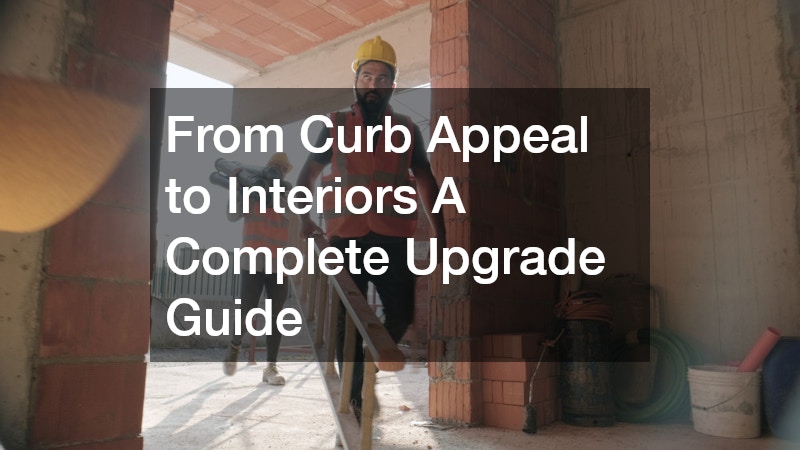

Updating your home is rarely about a single project. Most homeowners find that once they start improving one area, it naturally leads to another. A refreshed exterior highlights what feels outdated inside. A modern kitchen makes an old bathroom stand out even more. When upgrades are approached as part of a complete plan, the results feel intentional, balanced, and far more satisfying.
Instead of treating renovations as isolated tasks, you will learn how exterior improvements, structural upgrades, and interior finishes can work together to improve comfort, functionality, and long-term value. Many homeowners struggle with knowing where to begin, how to budget effectively, and how to avoid costly missteps. By viewing your home as a complete system rather than a collection of rooms, you can make smarter decisions that save time and reduce stress. Whether you are planning a full renovation or upgrading in phases, this approach helps ensure every improvement supports the next.
Evaluating Your Home’s Exterior First

Before stepping inside, it is important to assess what your home communicates from the outside. The exterior sets expectations for what follows and plays a major role in protection, energy efficiency, and long-term durability. Many homeowners begin by walking the property and noting what feels worn, outdated, or inefficient.
Key areas to evaluate include:
- The condition of siding, trim, and exterior paint
- Landscaping, health, and layout
- Entry points such as doors and pathways
- Outdoor living spaces and usability
Working with professional landscaping companies can help identify drainage issues, overgrown areas, or outdated designs that may be affecting your home’s foundation or curb appeal. At the same time, shutter companies often assist homeowners in updating window accents that enhance symmetry and visual balance. These exterior details may seem small, but they influence how polished and cohesive the home feels overall.
A strong exterior foundation also supports future upgrades. When outdoor spaces are functional and well-maintained, interior improvements feel more impactful and intentional rather than disconnected.
Improving Outdoor Living and Functional Spaces
Outdoor spaces have become an extension of the home rather than an afterthought. Improving how you use these areas adds usable square footage without major structural changes. Functional outdoor upgrades often provide one of the highest returns in daily enjoyment.
One popular option homeowners explore is adding screen porches. These spaces allow you to enjoy fresh air while staying protected from insects and harsh weather. They also create a natural transition between indoor and outdoor living, making the home feel larger and more flexible.
Other outdoor improvements to consider include:
- Updating walkways or patios for safer access
- Creating defined seating or dining areas
- Improving outdoor lighting for evening use
- Adding privacy elements such as fencing or greenery
When thinking about greenery, adding attractive trees, bushes, and flowers is one of the easiest ways to elevate curb appeal and give your home a welcoming feel. Ornamental trees like Japanese maples, dogwoods, and crepe myrtles provide structure and seasonal color without overwhelming your yard. Shrubs such as boxwoods, hydrangeas, and azaleas help frame walkways and foundations while keeping the landscape polished year-round. For pops of color, flowering plants like tulips, petunias, and black-eyed Susans bring charm and personality to garden beds and borders. Mixing heights, textures, and bloom times creates visual interest throughout the seasons and makes your yard look thoughtfully designed rather than overplanted.
Addressing Windows, Doors, and Entry Points
Once outdoor spaces are functional, attention often turns to the structure itself. Windows and doors play a critical role in insulation, security, and visual flow between the inside and outside of the home.
Many homeowners choose to work with wholesale windows and doors providers when planning larger upgrades. This approach can make it easier to maintain consistency across the home while improving energy efficiency. New windows often allow for better natural light, which can transform interior spaces without changing their layout.
Entry points deserve special attention as well. A new garage door can dramatically improve curb appeal while also offering better insulation and quieter operation. Since garage doors take up a large portion of the front exterior, updating this element often has an immediate visual impact.
When these structural upgrades are complete, interior renovations become more effective because lighting, temperature control, and sound insulation have already been improved.
Creating a Cohesive Interior Design Plan
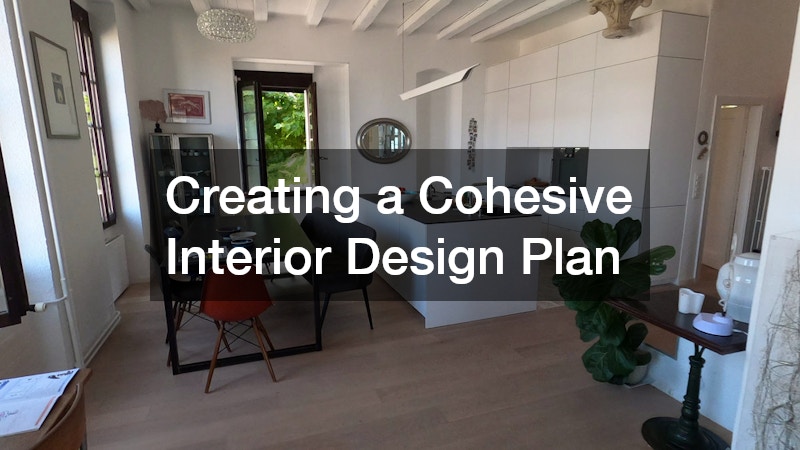
Before selecting finishes or starting room-by-room updates, it helps to step back and develop a cohesive interior plan. This ensures that improvements feel connected rather than pieced together over time.
A solid interior plan considers:
- Overall color palette
- Flooring consistency between rooms
- Lighting style and placement
- How each space connects visually and functionally
Many homeowners visit local paint stores early in the planning phase to explore color options and finishes. Paint often serves as the foundation for interior design, influencing everything from furniture choices to accent materials. Some homeowners also incorporate wallpaper to add texture or visual interest in specific areas such as entryways, powder rooms, or dining spaces. By planning these elements together, you reduce the risk of having to redo work later when styles clash or feel outdated.
When planning a renovation, choosing a clear interior design style can help guide every decision and create a more cohesive result. Farmhouse design focuses on warmth and comfort, often featuring neutral color palettes, natural wood elements, and simple textures that make spaces feel inviting and lived-in. Mid-century modern style leans toward clean lines, functional layouts, and a mix of organic and geometric shapes, creating a timeless look that feels both retro and current. Homeowners may also gravitate toward contemporary design, which emphasizes open spaces, minimal décor, and sleek finishes, or traditional interiors, known for classic details, rich colors, and elegant furnishings. By identifying a design style early, renovations feel more intentional, making it easier to select materials, finishes, and layouts that complement one another throughout the home.
Updating Walls, Colors, and Textures
Walls make up the largest visual surface inside any home, so updating them can dramatically change how spaces feel. Even small changes in color or texture can make rooms feel brighter, larger, or more inviting.
When refreshing walls, consider:
- Neutral tones for main living areas
- Accent colors for personality without overwhelming the space
- Textured finishes for depth and warmth
Paint stores often guide finishes that work best for different rooms, such as moisture-resistant options for bathrooms or washable finishes for high-traffic areas. Wallpaper can be used strategically rather than throughout the home, allowing you to experiment with pattern without committing to a full redesign. These wall updates often act as a bridge between structural improvements and more detailed renovations like kitchens and bathrooms.
Popular home colors and wallpaper designs often reflect a desire for comfort, versatility, and personal expression. Soft neutrals like warm whites, greige, and light taupe remain favorites because they create a calm backdrop that works well with many design styles and allows furniture and décor to stand out. Earthy tones such as sage green, muted blue, and clay-inspired hues are also gaining popularity for their relaxing, nature-inspired feel. When it comes to wallpaper, homeowners often choose subtle patterns like textured linens, soft florals, or geometric prints to add visual interest without overwhelming a space. These choices help rooms feel layered and intentional, allowing personality to shine through while maintaining a timeless look that will not feel outdated too quickly.
Enhancing Kitchens With Durable Materials
The kitchen is one of the most frequently renovated spaces in any home, and for good reason. It serves as both a functional workspace and a social hub. When updating a kitchen, durability and style must work together.
One of the most impactful upgrades homeowners make is installing granite counters. These surfaces offer long-lasting durability while adding a polished, high-end look. Working with trusted stone suppliers ensures consistent quality and proper installation, which is critical for both appearance and longevity.
Other kitchen upgrades to consider include:
- Updating cabinet hardware for a modern touch
- Improving lighting over work areas
- Replacing outdated backsplashes
- Enhancing storage with pull-out or custom solutions
A well-updated kitchen often sets the tone for the rest of the interior, encouraging homeowners to continue improvements in adjacent spaces.
Improving Bathroom Comfort and Functionality

Bathrooms are another area where thoughtful upgrades can significantly improve daily life. Many older bathrooms lack efficient layouts or modern fixtures, which can make them feel cramped or outdated.
Homeowners should consider researching bathtub replacements; they can make all the difference in your space. New tubs often provide better comfort, easier maintenance, and improved safety features. Replacing outdated tubs can also create opportunities to update surrounding tile, fixtures, and lighting.
Additional bathroom upgrades that often accompany tub replacements include:
- Installing water-efficient fixtures
- Improving ventilation
- Updating vanities for better storage
- Enhancing lighting for functionality and ambiance
These improvements not only increase comfort but also contribute to long-term value and accessibility.
Connecting Rooms Through Flooring and Flow
Flooring plays a major role in how connected your home feels. Mismatched materials or outdated surfaces can make spaces feel disjointed, even after other upgrades are complete.
When updating flooring, homeowners often consider:
- Durability for high-traffic areas
- Consistency between connected rooms
- Ease of maintenance
- Compatibility with existing design elements
Flooring choices should complement wall colors, cabinetry, and countertops rather than compete with them. When planned correctly, updated floors help guide the eye naturally from one space to the next, reinforcing the sense of a complete and cohesive renovation.
Planning Renovations in the Right Order
One of the biggest challenges homeowners face is deciding when to tackle each project. Renovations completed out of order can lead to unnecessary costs or rework.
A logical renovation sequence often includes:
- Exterior repairs and improvements
- Structural upgrades such as windows and doors
- Interior planning and design
- Wall, floor, and surface updates
- Final finishing touches
This approach minimizes disruptions and ensures each improvement supports the next. For example, updating windows before repainting walls prevents damage to new finishes, while completing flooring before installing cabinetry ensures proper alignment.
Maintaining Value and Longevity After Upgrades
Once renovations are complete, ongoing maintenance plays a critical role in preserving your investment. Even the highest-quality materials require care to maintain their appearance and performance.
Helpful maintenance habits include:
- Regular inspections of exterior features
- Prompt repairs to prevent small issues from growing
- Proper cleaning routines for interior surfaces
- Seasonal checks for weather-related wear
By maintaining both exterior and interior upgrades, you extend the life of your improvements and ensure your home continues to feel updated and welcoming for years to come.
Planning a Realistic Renovation Budget
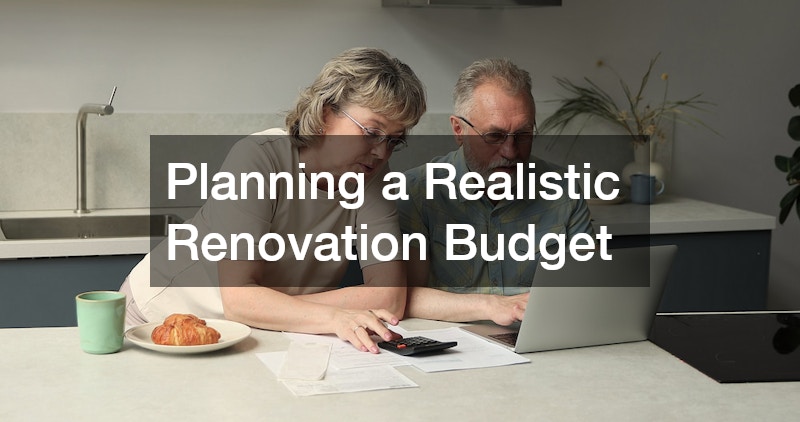
Creating a clear and realistic budget is one of the most important steps in any renovation project. Without a solid financial plan, costs can quickly spiral, leading to stress, delays, or unfinished work. A strong budget starts with understanding your priorities and identifying which upgrades are essential versus optional. Homeowners often find it helpful to break their renovation into categories such as exterior improvements, structural updates, and interior finishes, allowing them to see where most of their money will be allocated.
It is also important to account for hidden or unexpected costs. Older homes, in particular, may require additional repairs once work begins, such as electrical updates, plumbing fixes, or structural reinforcements. Setting aside a contingency fund, typically around ten to fifteen percent of the total budget, provides a safety net when surprises arise. Researching material costs, labor rates, and project timelines ahead of time helps prevent unrealistic expectations and last-minute compromises.
Another key budgeting strategy is planning renovations in phases. Completing projects in a logical order allows homeowners to spread out expenses while still making meaningful progress. Comparing quotes, understanding warranties, and prioritizing long-term value over short-term savings can also make a significant difference. When budgeting is done thoughtfully, renovations become more manageable, decisions feel less rushed, and the final results are far more satisfying.
Approaching home renovations as a connected journey rather than a series of isolated projects leads to better results and fewer regrets. When exterior improvements support interior upgrades, and each decision is made with the bigger picture in mind, your home becomes more comfortable, functional, and visually cohesive. Many homeowners discover that thoughtful planning reduces unexpected costs and prevents design choices that feel out of place later.
By focusing on flow, durability, and long-term usability, renovations become investments rather than temporary fixes. Small details, when aligned with larger goals, create a sense of harmony throughout the home. Whether you are upgrading in stages or planning a full transformation, taking a comprehensive approach helps ensure every improvement adds lasting value, improves daily life, and allows your home to evolve gracefully over time.