
Taking on exterior home renovations can be exciting, but it can also feel overwhelming. When you step outside and look at everything—from the roof to the landscaping—it’s easy to wonder where you should begin. Should you fix the driveway first? Upgrade the siding? Replace windows? Or focus on improving curb appeal?
The truth is that the order of exterior renovations matters more than many homeowners realize. Tackling projects in the wrong sequence can lead to wasted money, repeated work, or even damage to newly finished areas. On the other hand, prioritizing the right upgrades ensures your home remains safe, functional, and visually appealing while protecting your investment.
This guide will walk through the key areas of your home’s exterior and explain which renovations should come first and why. By the end, you’ll have a clear roadmap to plan your projects logically, efficiently, and with fewer surprises along the way.
Assessing Your Home’s Current Condition
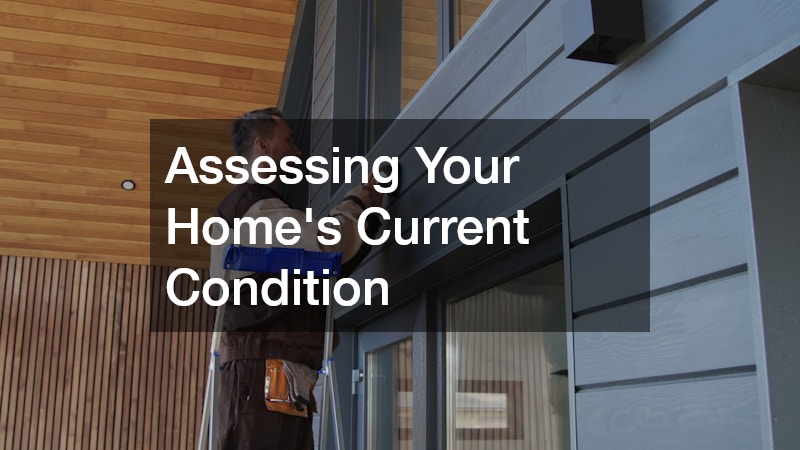
Before starting any renovation project, it’s important to evaluate the current condition of your home’s exterior. This step gives you a realistic picture of what truly needs attention and helps you avoid spending money on upgrades that may not be necessary yet.
Many homeowners jump straight into cosmetic improvements because they’re the most noticeable. Fresh paint, updated landscaping, or decorative features can certainly make a home look great. However, if there are hidden problems beneath the surface, those visual upgrades may only provide a temporary improvement.
Performing a Walk-Around Inspection
Start by performing a thorough walk-around inspection of your property. Look closely at the roofline, walls, windows, outdoor surfaces, and landscaping areas. Small warning signs often indicate larger issues that need to be addressed first, including areas that may require roof repairs before other exterior projects begin.
Some of the most common things to check include:
-
Cracks or shifting in exterior surfaces
-
Peeling paint or fading finishes
-
Moisture damage or mold growth
-
Uneven ground near the house
-
Drainage problems after rain
-
Warped, damaged, or aging materials
Reviewing Component Age
It’s also a good idea to review the age of your exterior components. Many materials have expected lifespans, and understanding when they were installed can help predict upcoming replacements.
For example:
-
Roofing materials typically last 20–30 years depending on type
-
Exterior siding can last several decades but may show wear earlier
-
Windows and doors often need upgrades after 15–25 years
-
Driveways and walkways can develop cracks over time due to weather and use
Creating a Checklist
Creating a simple inspection checklist can make the process easier. Walk around the property with a notepad or take photos of areas that might need attention. These notes will help you prioritize projects later.
This assessment stage also helps you determine whether repairs are urgent or can wait. Structural and safety concerns should always come before aesthetic improvements.
1. Start with Structural and Safety Concerns
Once you’ve evaluated your home’s condition, the next step is addressing structural and safety-related issues. These projects should always be tackled first because they protect the integrity of your home and prevent further damage.
Prioritize Structural Repairs
Think of structural repairs as the foundation of your renovation plan. If these areas are compromised, other upgrades may not last or could require rework later.
For example, imagine installing new siding only to discover months later that water is entering the home through an unseen structural problem. Not only would the siding need to be removed to fix the issue, but the repair would likely cost much more. In some cases, addressing deeper structural problems may require professional foundation repair services to stabilize the home before moving forward with additional renovations.
Some structural concerns that homeowners should prioritize include:
-
Damage to load-bearing elements
-
Persistent water intrusion
-
Significant cracks in exterior materials
-
Signs of shifting or settling around the home
-
Severe deterioration of outdoor surfaces
Safety First
Safety should also be part of this early renovation phase. Loose materials, unstable surfaces, or deteriorating features around the house can create hazards for both residents and visitors.
When reviewing structural issues, pay attention to areas where weather exposure is greatest. Exterior components constantly face sun, rain, wind, and temperature changes, which gradually weaken materials over time. If problems appear near the top of the home, consulting experienced roofing professionals can help determine whether repairs or replacements are necessary before other projects begin.
Addressing these issues early offers several advantages:
-
Prevents minor problems from becoming expensive repairs
-
Protects interior areas of the home from damage
-
Improves overall durability and stability
-
Provides a solid base for future upgrades
Once safety and structural concerns are resolved, you can move forward with confidence knowing that your renovation plan is built on a secure foundation.
2. Upgrade Siding and Exterior Walls Next
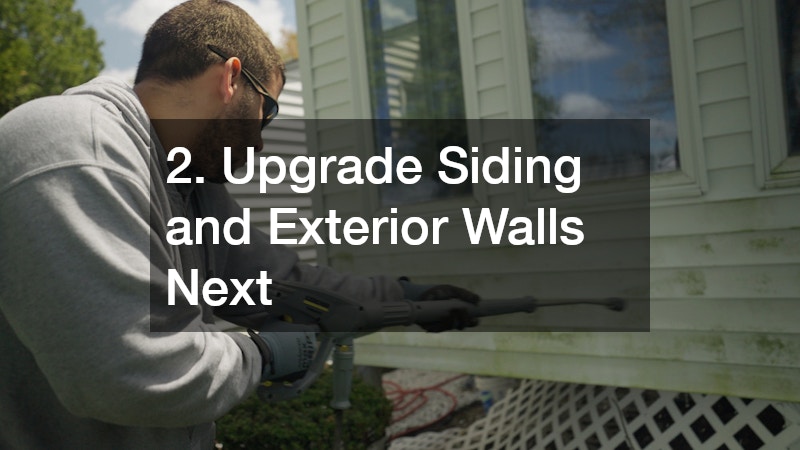
After addressing structural concerns, the next logical step is focusing on the outer shell of your home, particularly the siding and exterior walls. These surfaces serve as the home’s primary defense against the elements. They protect the interior from moisture, wind, temperature fluctuations, and pests while also contributing significantly to curb appeal.
Another reason siding upgrades should come early in the renovation process is that many other exterior improvements connect to the walls. Windows, doors, lighting fixtures, and decorative elements are often installed directly through or alongside these surfaces.
Signs That Siding May Need Attention
Over time, siding materials can experience wear due to weather exposure and age. Even durable materials eventually need maintenance or replacement. Here are the signs to watch out for:
-
Cracking or warping panels
-
Loose or missing sections
-
Visible mold or mildew growth
-
Peeling paint or fading color
-
Increased drafts inside the home
How to Plan Siding Upgrades
Upgrading exterior walls offers more benefits than just visual improvement. Modern siding materials often provide better insulation and moisture resistance, helping homes stay comfortable year-round.
When planning siding improvements, homeowners often consider several popular materials:
-
Vinyl siding for affordability and low maintenance
-
Fiber cement for durability and fire resistance
-
Wood siding for natural appearance and character
-
Engineered wood for strength with reduced upkeep
-
Metal panels for contemporary designs
In some cases, homeowners also choose to apply stucco over siding to refresh the exterior look and add an extra layer of protection. This method can improve durability while giving the home a more modern or Mediterranean aesthetic.
3. Save Energy by Upgrading Your Windows
Once the siding and exterior walls are in good condition, the next priority is improving windows. These elements are essential for comfort, energy efficiency, and overall home performance. Older windows can become inefficient over time. Drafts, worn seals, and outdated materials allow air to escape, making heating and cooling systems work harder than necessary.
Upgrading your windows can deliver immediate benefits:
-
Improved indoor temperature control
-
Reduced energy bills
-
Better sound insulation
-
Enhanced home security
-
Increased property value
Modern window designs often include advanced features such as double or triple panes, insulating gas layers, and improved weather sealing. Some homeowners also invest in custom glass replacements to match specific dimensions, styles, or aesthetic preferences. This ensures a perfect fit while enhancing the home’s appearance and functionality.
4. Doors: Security and Finishing Touches
Doors play a major role in both security and energy efficiency. Modern exterior doors are designed with stronger materials and upgraded locking systems, providing better protection for your home.
When planning door upgrades, consider:
-
Energy efficiency ratings
-
Frame materials such as vinyl, fiberglass, or wood
-
Proper insulation and sealing, often improved with professional caulking services
-
Design compatibility with the home’s overall style
Replacing windows and doors after siding updates ensures that everything fits properly and that installation is completed cleanly without damaging newly finished surfaces. Proper sealing and attention to detail during installation help prevent drafts, water intrusion, and long-term wear.
5. Driveways, Walkways, and Outdoor Access Areas
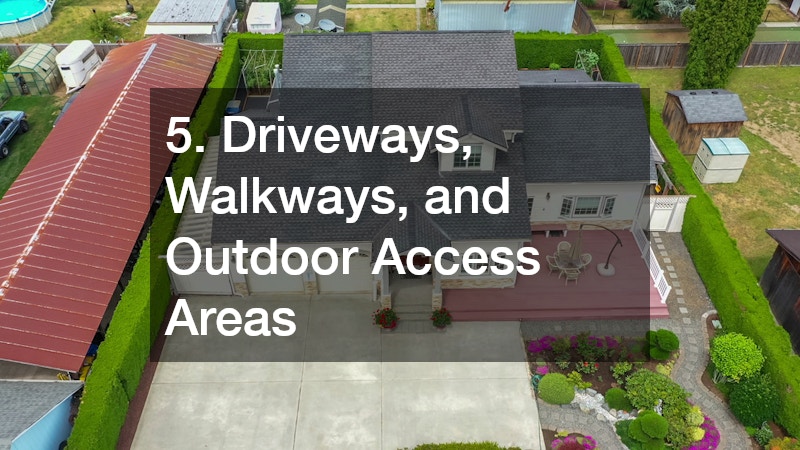
With the main building envelope addressed, attention can shift to the pathways and surfaces surrounding the home. Driveways, walkways, and access areas play a vital role in both functionality and safety.
These features guide people to and from the house while also contributing to the overall appearance of the property. However, they often experience heavy wear from vehicles, foot traffic, and weather exposure.
Common Issues and Repairs
Over time, outdoor surfaces can develop problems such as:
-
Cracks and potholes
-
Uneven sections that create tripping hazards
-
Drainage issues after rainfall
-
Surface erosion or deterioration
Addressing these issues improves accessibility and prevents potential accidents. Renovating these areas also provides an opportunity to upgrade materials or redesign the layout. Some homeowners choose to expand walkways, create additional parking space, or add decorative pathways that enhance the landscape.
Materials and Installation
Common surface options include:
-
Concrete for durability and clean lines
-
Pavers for flexibility and decorative patterns
-
Natural stone for a more organic look
-
Gravel for cost-effective pathways
-
Residential asphalt paving for long-lasting driveways and smooth surfaces
Proper installation is important to ensure these surfaces remain stable over time. Good drainage and a strong base layer help prevent shifting and cracking. Hiring an experienced paving contractor ensures that the work is done correctly, reducing future maintenance and improving the overall appearance of your property.
Completing these upgrades before landscaping projects allows equipment and materials to move easily around the property without damaging newly planted areas.
6. Landscaping and Outdoor Spaces
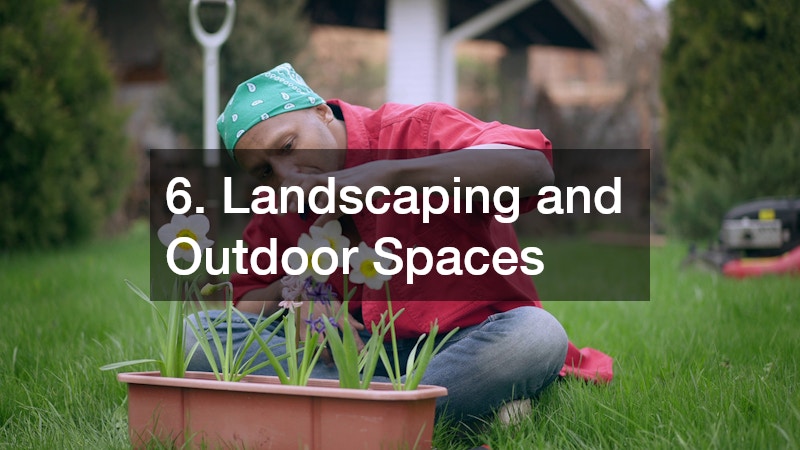
Once the major structural and access elements are complete, homeowners can focus on landscaping and outdoor living spaces.
This is often the most enjoyable part of exterior renovations because it allows you to personalize your property and create areas where people can relax, entertain, or spend time outdoors. Proper tree services can also play a key role at this stage, ensuring that existing trees are healthy, safe, and properly positioned to enhance shade, privacy, and aesthetics.
Popular Landscaping Projects
Landscaping improvements can dramatically transform how a home looks and feels. Even simple upgrades can make a noticeable difference. Popular projects include:
-
Planting trees and shrubs for shade and privacy
-
Installing garden beds and decorative plants
-
Creating patios or seating areas
-
Adding outdoor dining or entertainment spaces
-
Improving lawn areas or ground cover
Outdoor spaces have become increasingly popular as homeowners seek ways to extend their living areas beyond the interior of the house.
Planning and Hardscaping Integration
When planning landscaping upgrades, it’s helpful to consider both functionality and maintenance. Some plants require regular care, while others thrive with minimal attention. Designing outdoor spaces with a long-term perspective can make maintenance easier while still providing beautiful surroundings.
Landscaping also helps integrate other exterior improvements by softening the appearance of hard surfaces and creating visual balance across the property. Collaborating with a skilled hardscaping contractor can ensure patios, retaining walls, pathways, and other hard features blend seamlessly with your landscaping design while remaining durable and practical.
7. Exterior Lighting and Fixtures
After landscaping elements are in place, the next step is installing exterior lighting and fixtures. These features improve safety, visibility, and nighttime curb appeal.
Well-designed lighting can highlight architectural details, illuminate pathways, and create a welcoming atmosphere around the home.
Outdoor lighting typically serves several important purposes:
-
Increasing visibility around entry points
-
Improving safety along walkways and steps
-
Enhancing security by deterring unwanted activity
-
Creating ambiance for outdoor spaces
There are several types of lighting commonly used in residential settings:
-
Path lights to guide visitors along walkways
-
Wall-mounted fixtures near doors and garages
-
Landscape lighting to highlight plants and features
-
Floodlights for large areas requiring bright illumination
-
Accent lighting for architectural highlights
In addition to lighting, homeowners may update other exterior fixtures such as house numbers, mailboxes, or decorative hardware. These small details contribute to the overall character of the home.
Installing lighting after landscaping helps avoid disrupting plants or garden features during installation.
8. Energy-Efficient Improvements
Energy efficiency is another important consideration when planning exterior renovations. Many upgrades can help reduce energy consumption while improving comfort inside the home.
These improvements often work best after structural repairs, siding upgrades, and window replacements have already been completed.
Some of the most common exterior energy upgrades include:
-
Adding insulation to exterior walls
-
Improving attic ventilation systems
-
Installing reflective roofing materials
-
Upgrading exterior shading features
-
Improving drainage and moisture control
These changes help regulate indoor temperatures and reduce strain on heating and cooling systems. Energy-efficient upgrades also contribute to environmental sustainability by lowering overall energy use.
9. Final Design Touches and Curb Appeal Enhancements
The final stage of exterior renovations focuses on visual improvements that enhance curb appeal. By this point, the structural elements and functional upgrades have already been completed, allowing you to concentrate on finishing touches.
These projects bring the entire renovation together and help the home stand out.
Common finishing upgrades include:
-
Fresh exterior paint or color updates
-
Decorative trim and architectural accents
-
Updated railings or porch details
-
Stylish outdoor furniture
-
Decorative planters or seasonal displays
Curb appeal is particularly important for homeowners who may plan to sell in the future. First impressions matter, and a well-maintained exterior creates a welcoming appearance that appeals to potential buyers.
Even if selling isn’t part of your plan, these final design touches allow you to enjoy the results of your renovation work every time you come home.
Bringing It All Together
Exterior renovations are most successful when approached in the right order. Starting with structural concerns, then moving outward through siding, windows, surfaces, landscaping, lighting, and finishing touches ensures each upgrade supports the next.
By following a logical renovation sequence, homeowners can:
-
Prevent costly mistakes
-
Avoid damaging newly completed projects
-
Improve safety and durability
-
Achieve a cohesive final appearance
With thoughtful planning and the right priorities, your exterior renovation journey can transform not only the appearance of your home but also its comfort, efficiency, and long-term value.